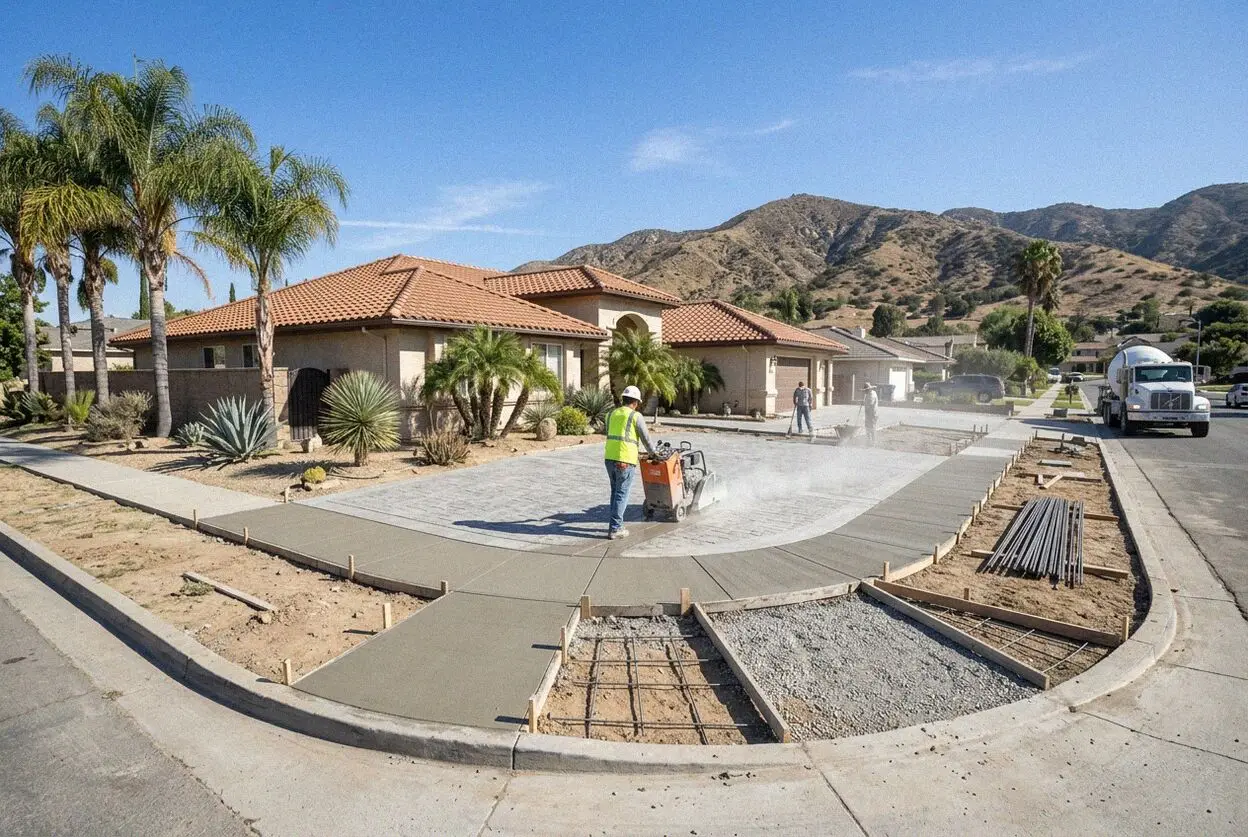
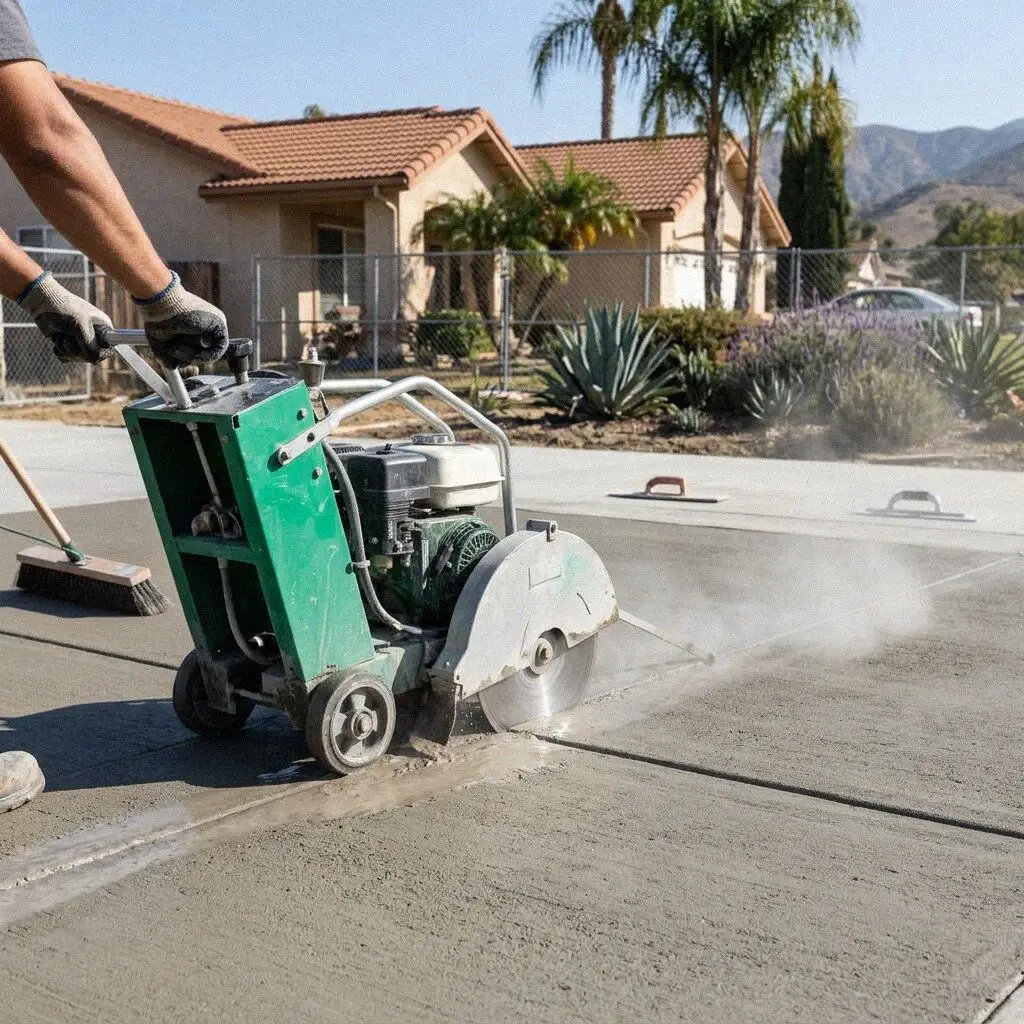
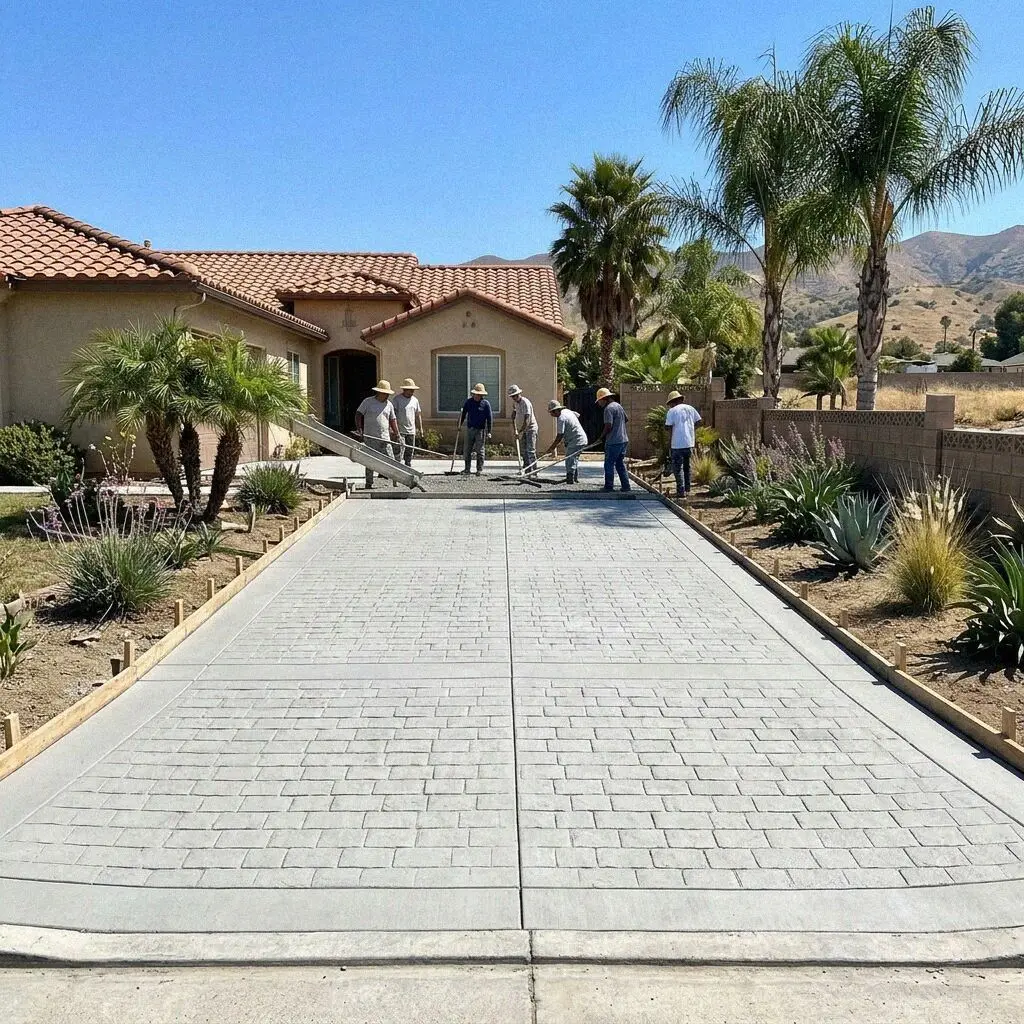
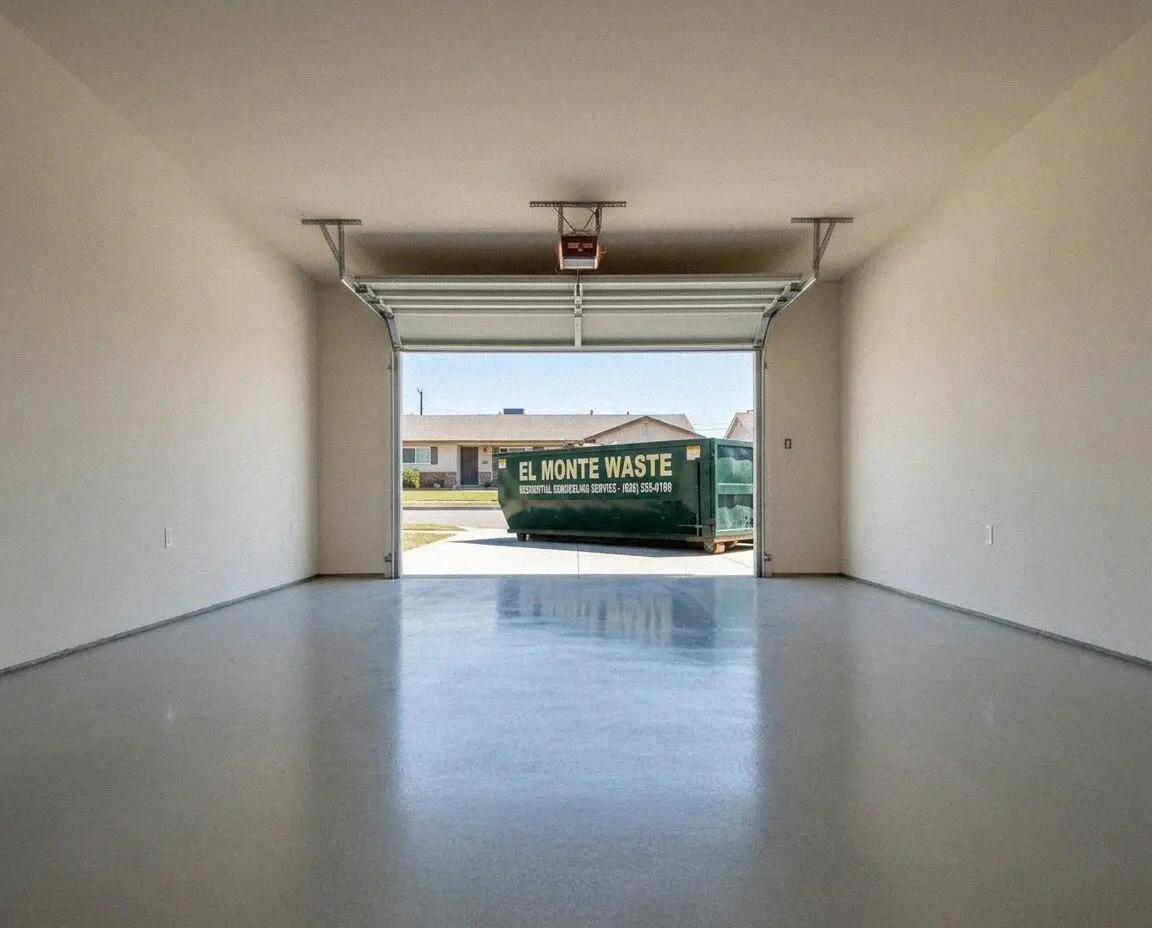
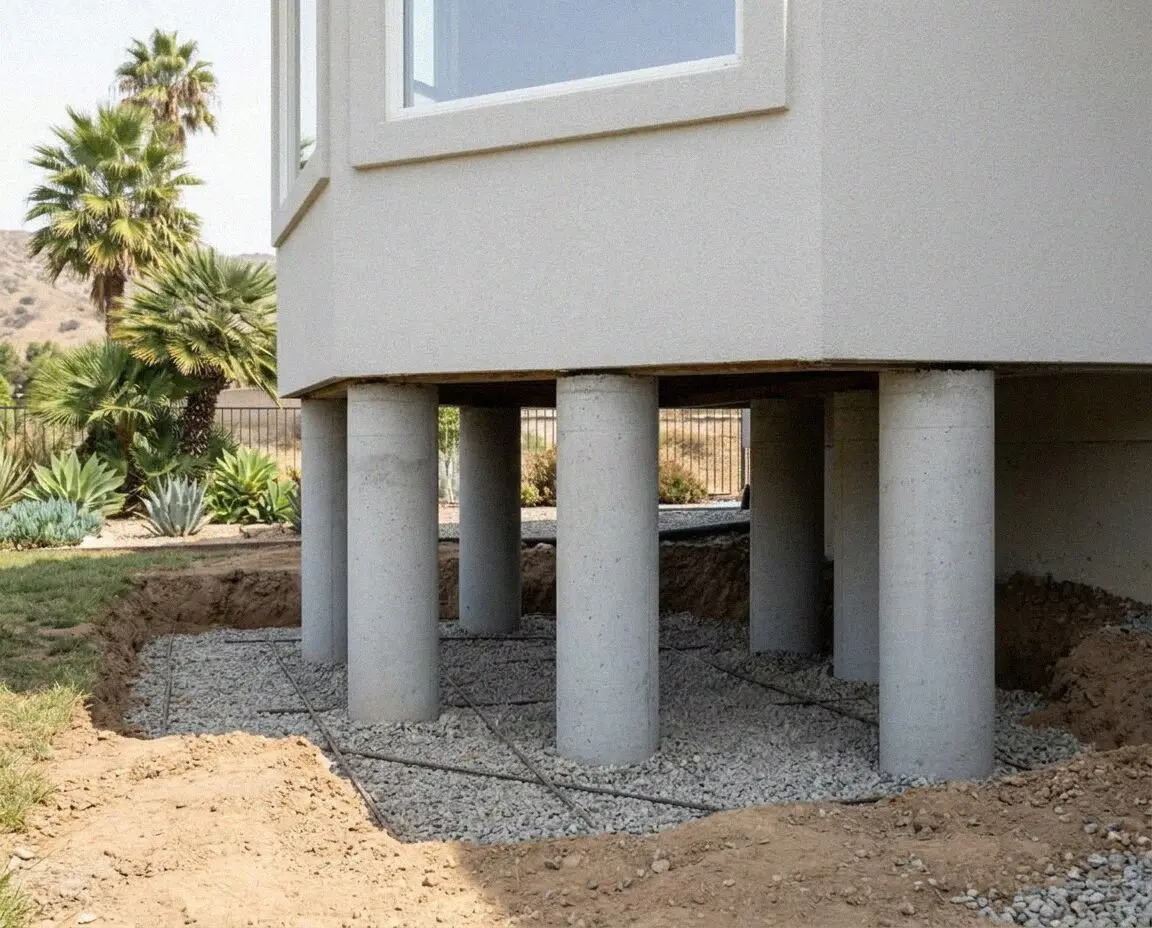
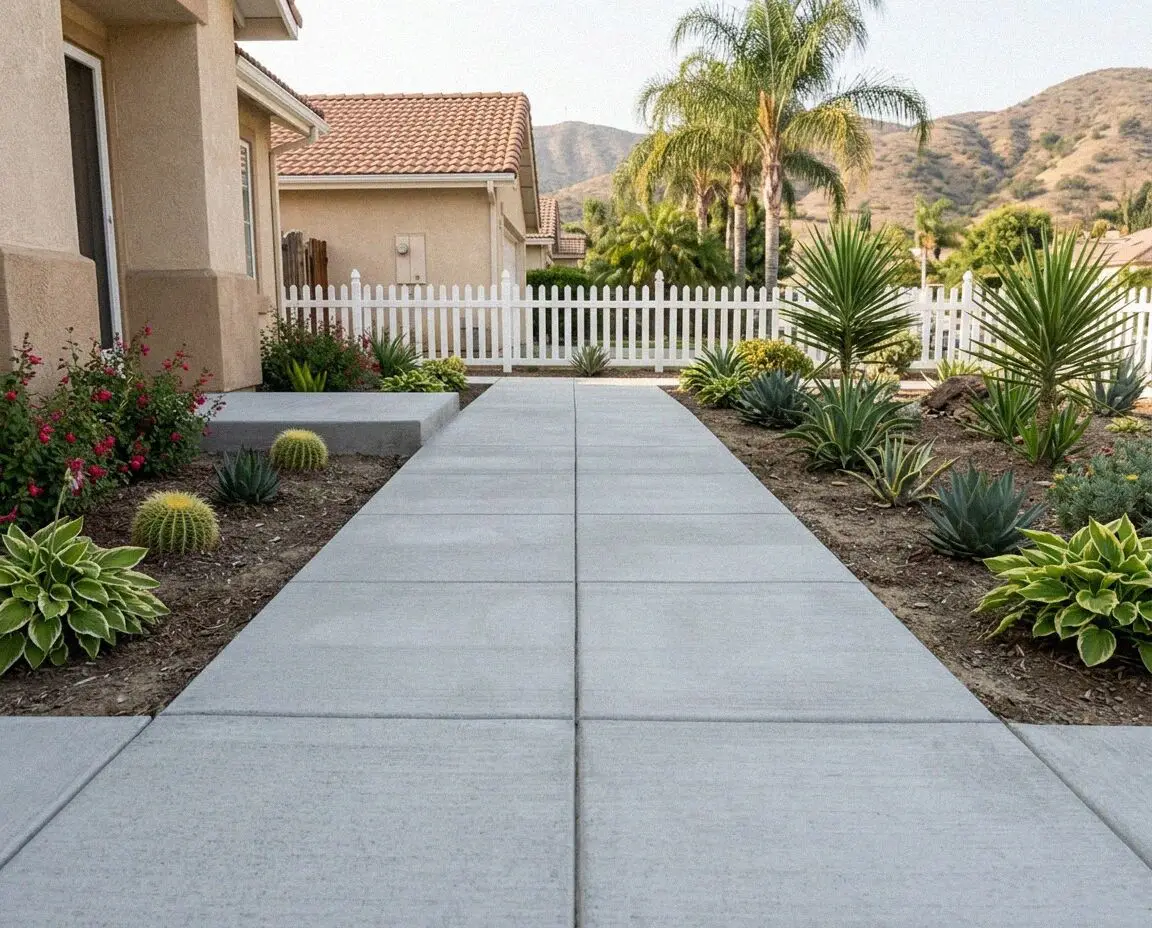
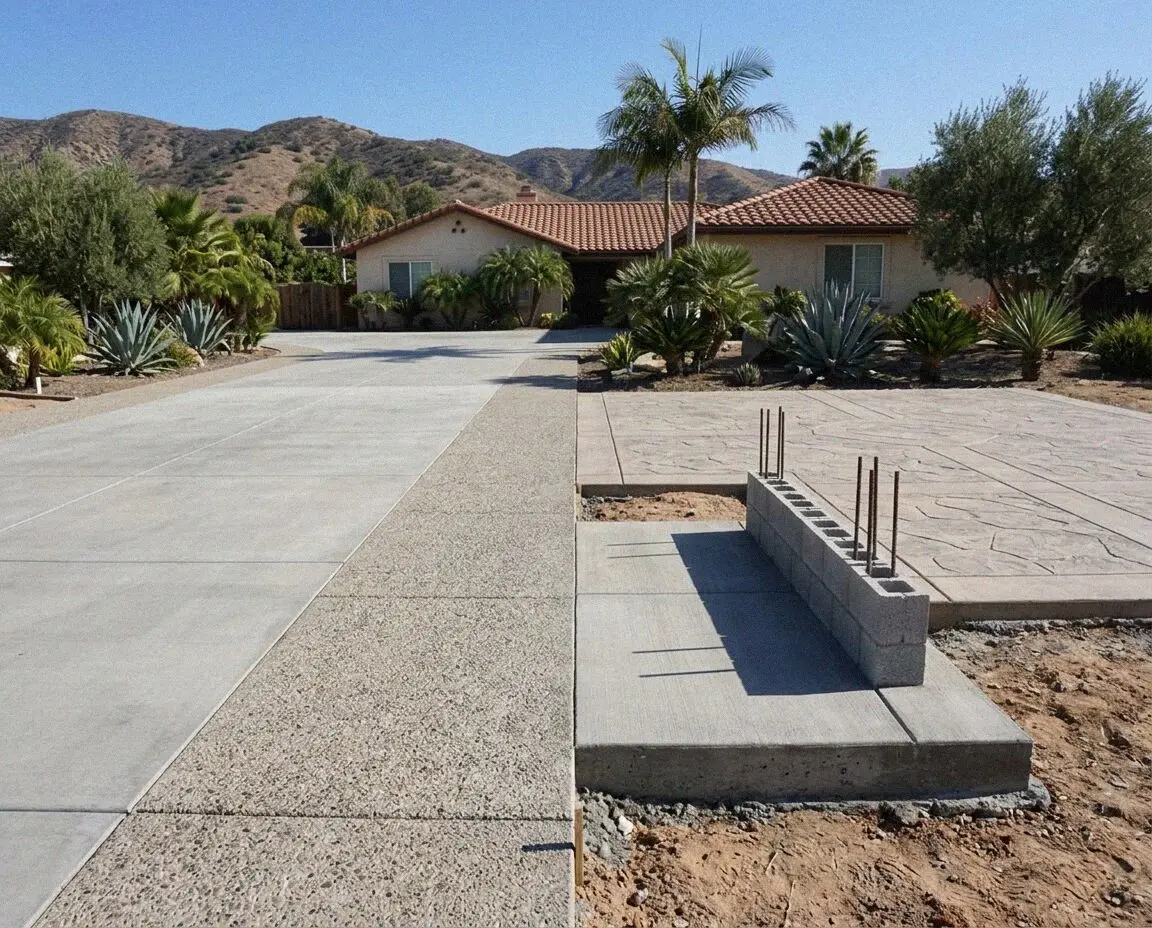
A cut through a slab is judged by what is left, not by what comes out. The floor around a trench stays in service, a garage being made into a rear unit, a kitchen with a new drain run, a stem wall with a door in it now, and a cut that wanders, breaks out at the edge or stops short leaves that floor cracked where nobody wanted it. So the line is scanned, chalked and cut to full depth in one pass, and the piece comes out in sections that lift rather than rubble.
Rio Hondo El Monte Concrete was started in 2015 by Ismael Duarte, who spent 21 years on the San Gabriel Valley crews first, and he runs the saw on every cut. Most floors in this town were poured in one decade after the war, 3 and a half inches of concrete with no steel in it and sometimes a gas line or a conduit just under the surface, because the tract builder put it wherever was quickest. A blade finds those unless a scanner finds them first.
The cut needs no permit, but what follows it usually does. A new drain under a garage becoming a rear unit, a lateral replaced under the drive or a door cut into a stem wall is filed with the city's Building & Safety Division, and the trench stays open until the inspector has seen the pipe. The cutting is done under a CSLB C-8 license with liability insurance on every job, wet, and carries a written workmanship guarantee against defects in how it was built.