Whittier sits where the San Gabriel River plain meets the Puente Hills, and the Whittier Fault runs along that seam. Below it the ground is river sand. Above it the ground is old sea floor under clay.
On the flat, from Uptown out to the 605, a slab sits on sand that drains and never heaves, and the enemy is the street tree. Whittier planted its parkways a century ago, and the roots of a mature camphor or ficus lift a walk or a drive edge by inches. In the hills the problem inverts. The clay over the Puente Formation swells when winter rain reaches it and shrinks through the dry season, so a slab poured straight on it cracks in a year, and an unheld cut moves the first wet winter.
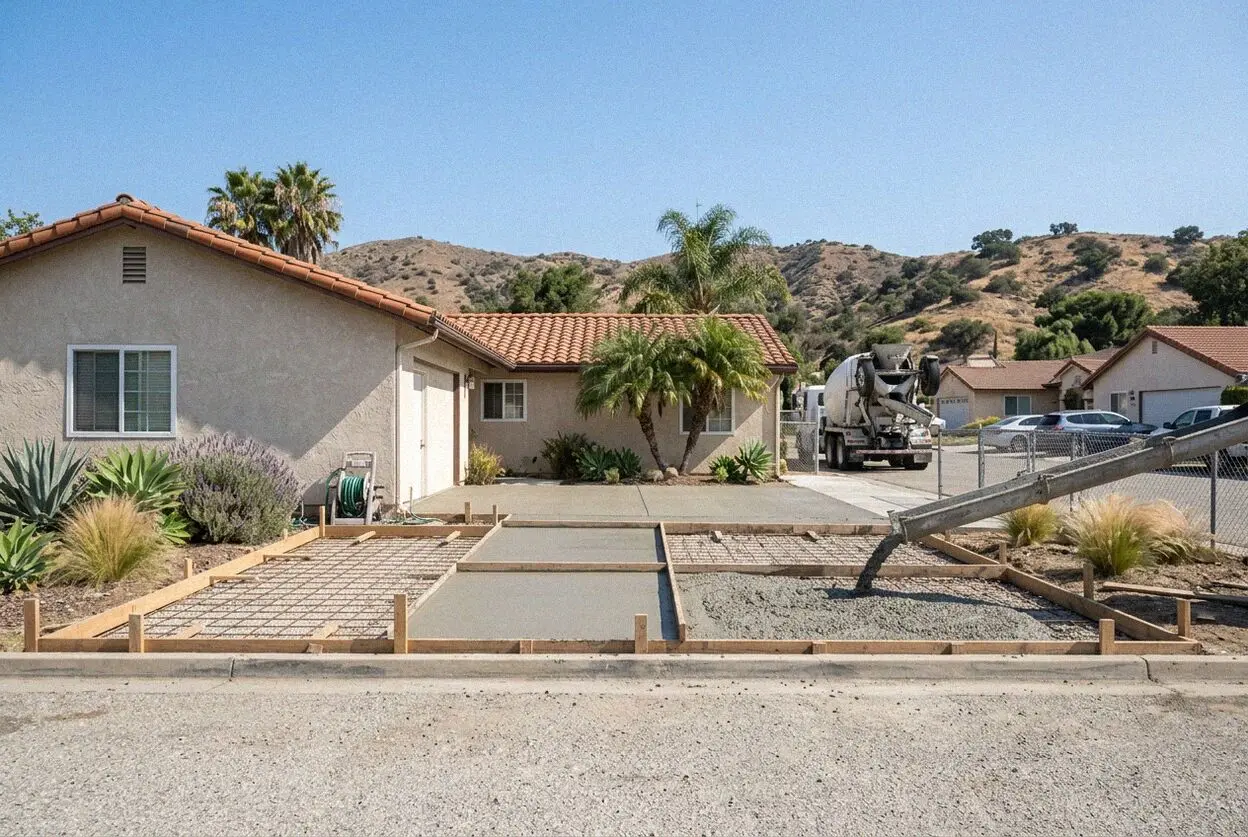
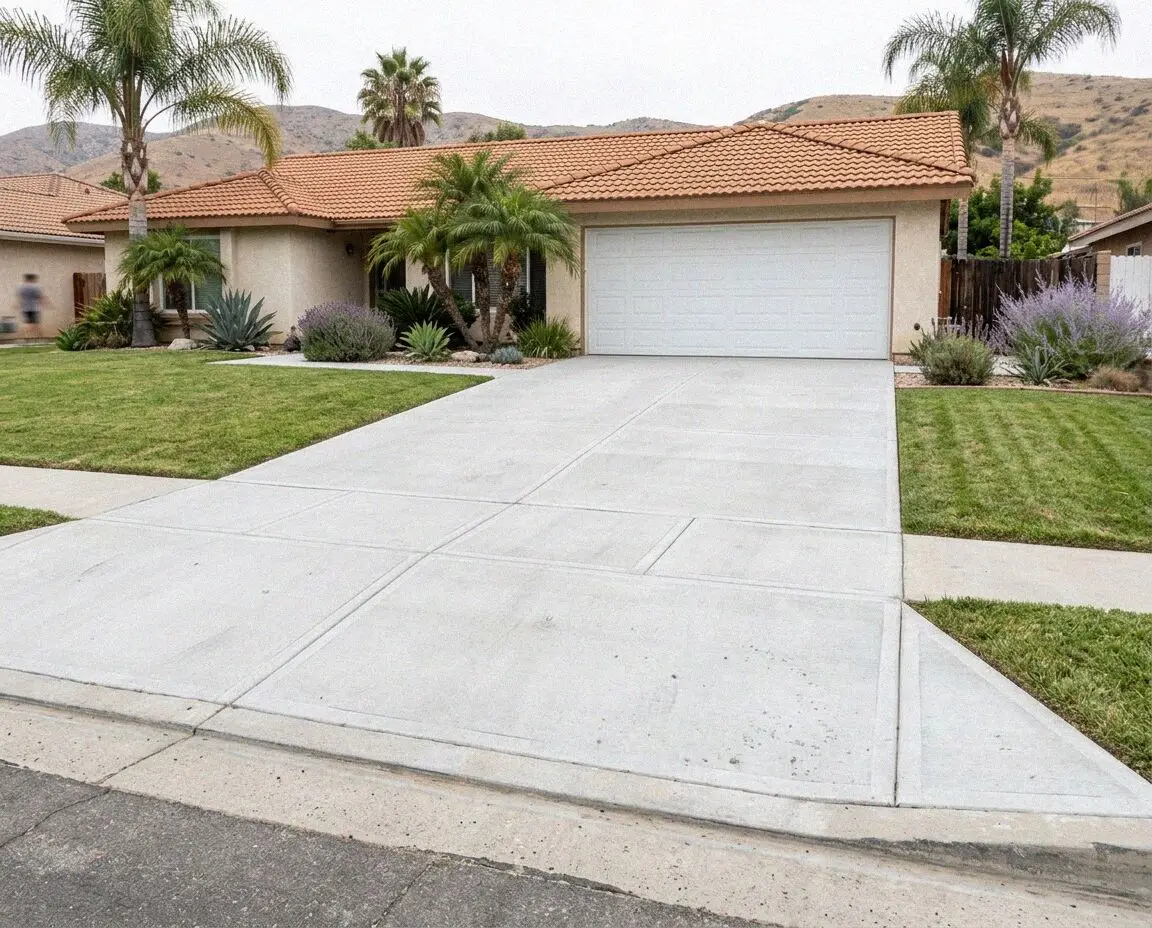
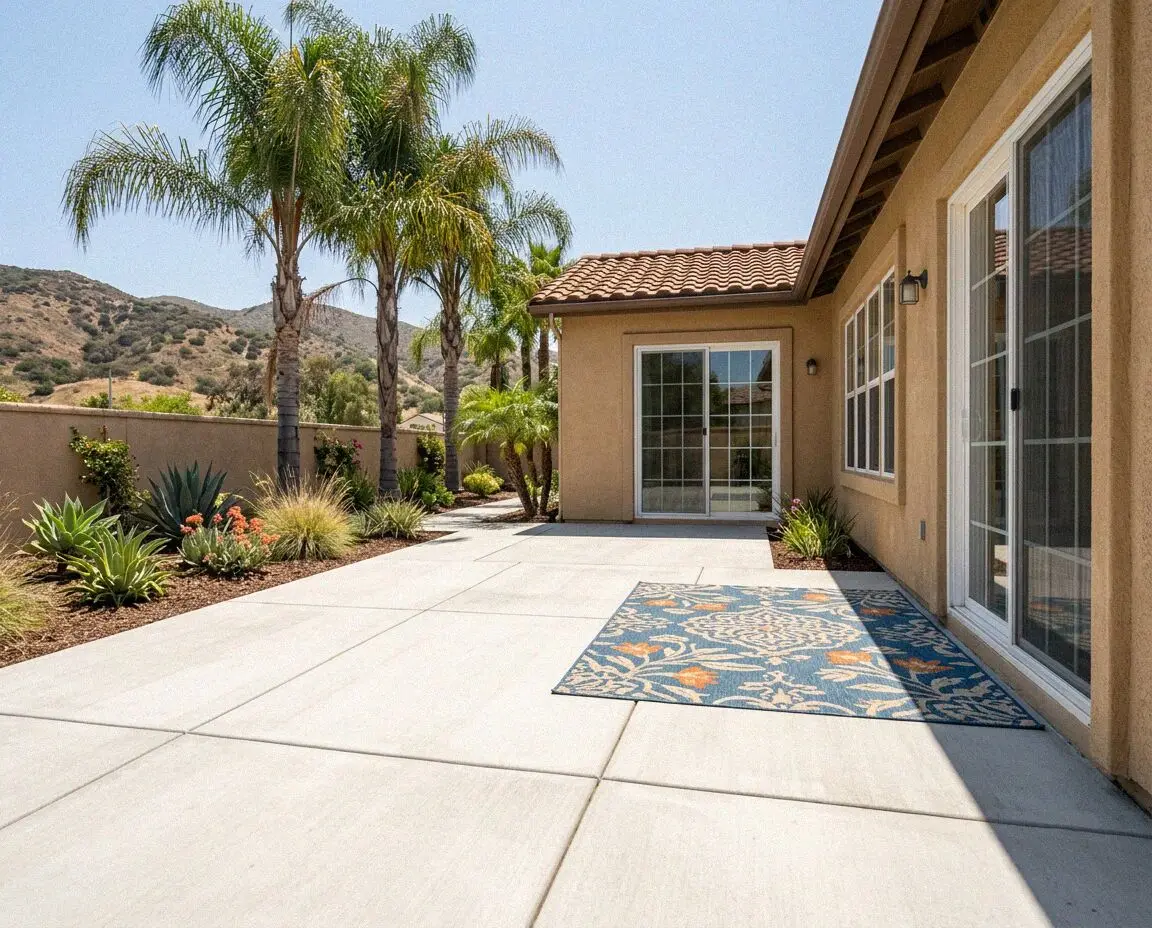
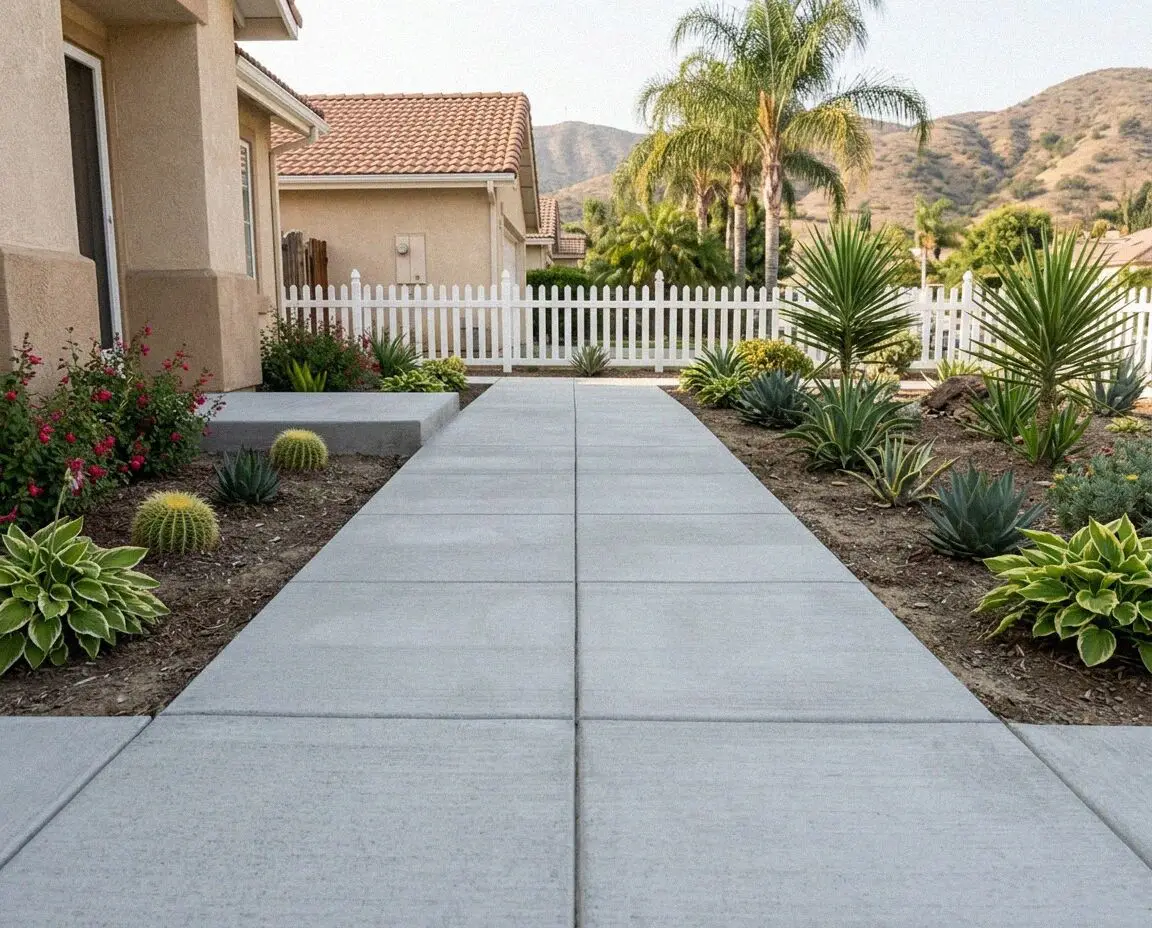
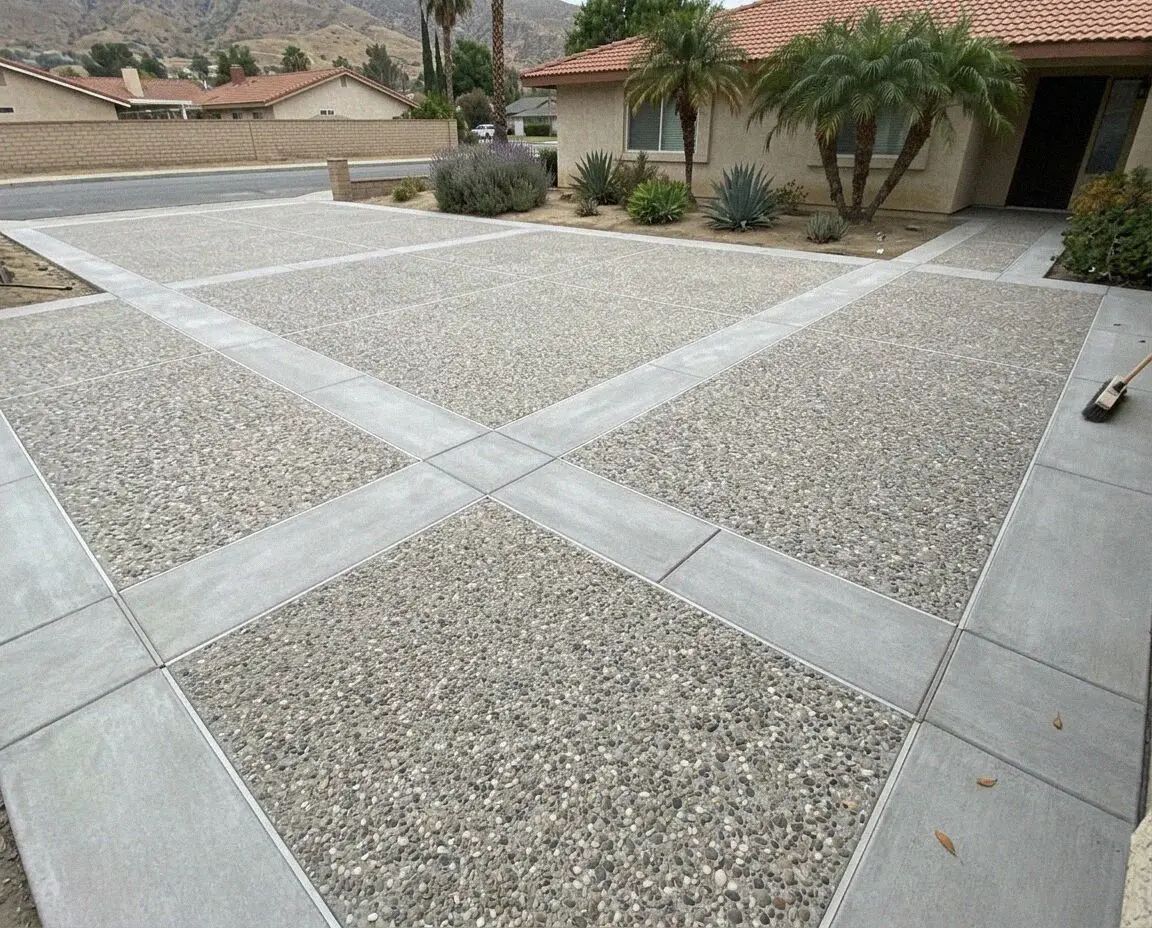
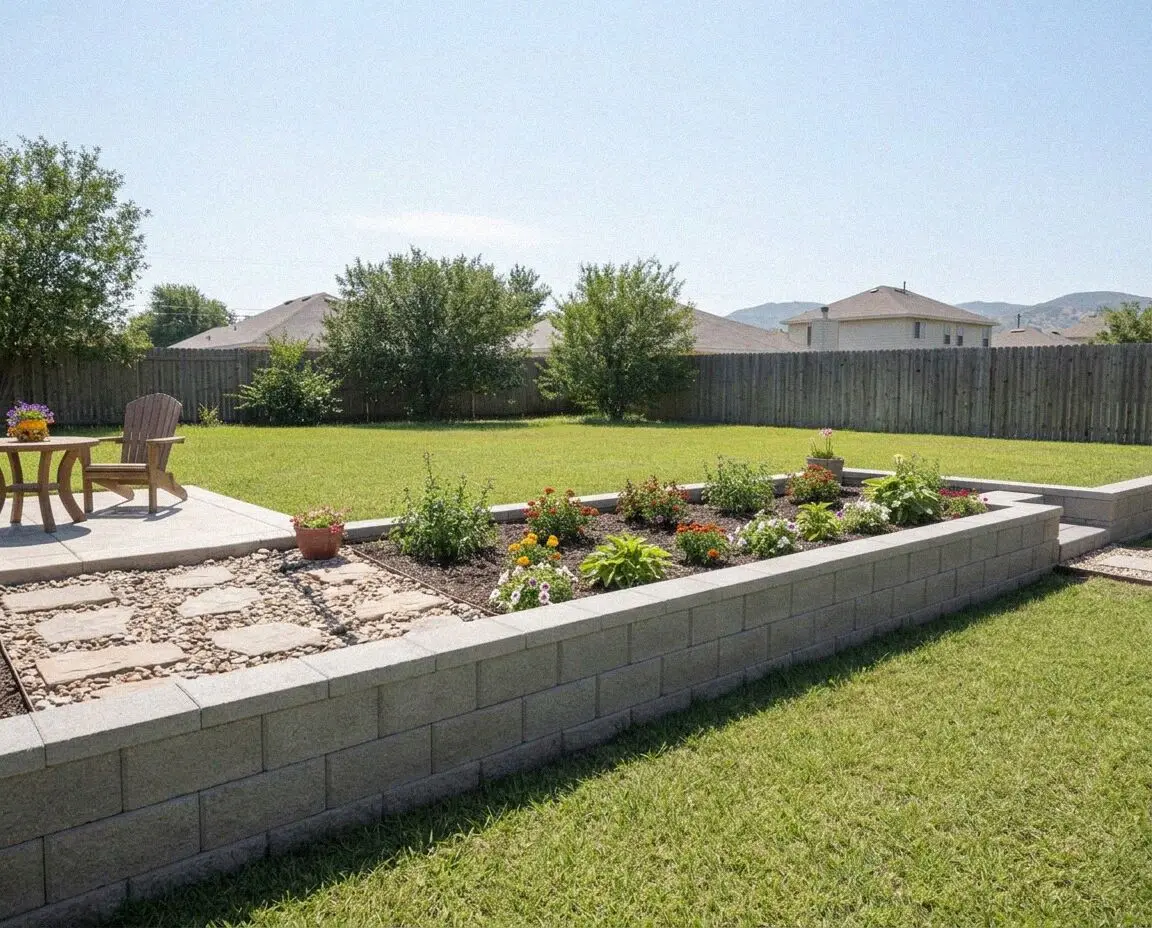
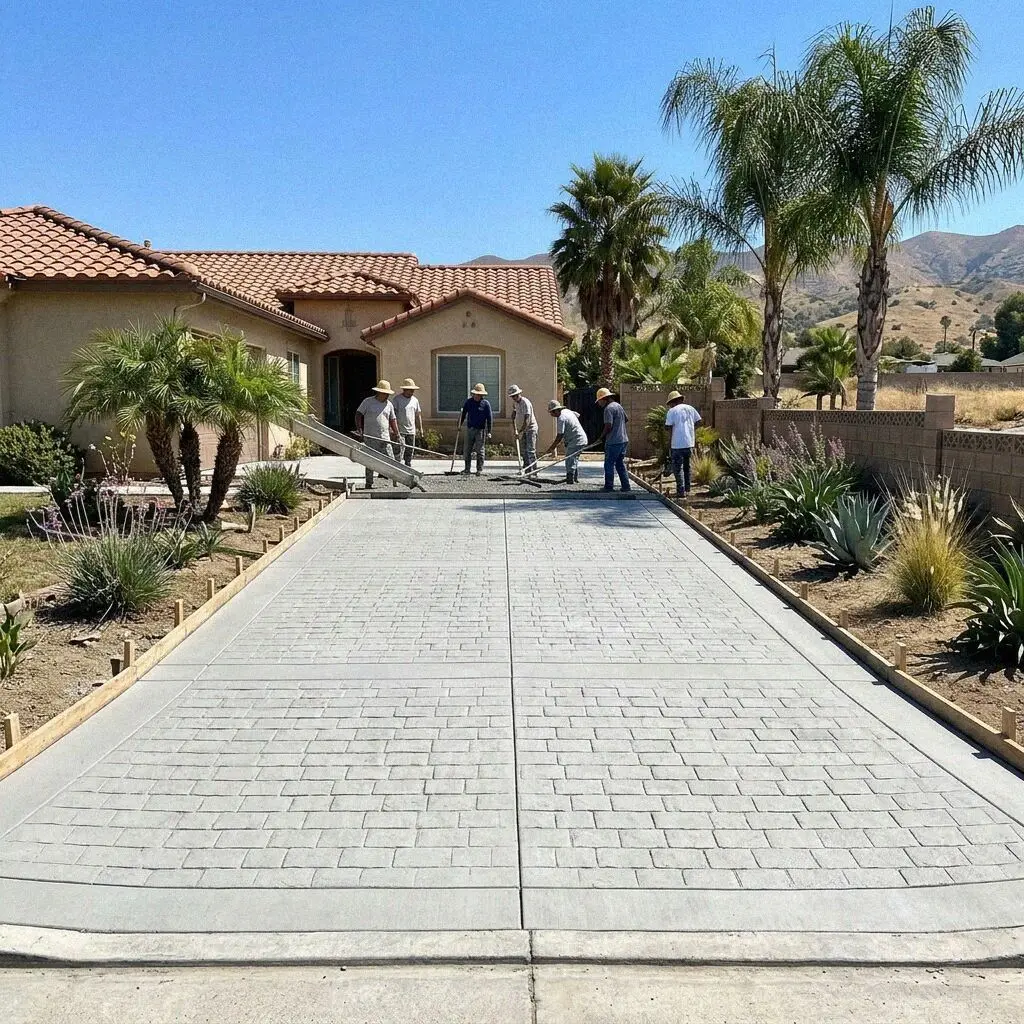
So a Whittier job is specified by where it stands. On the flat a drive or patio is 4 inches on 4 inches of compacted base with steel on a grid, and a root that has lifted the old slab is cut back and barriered before the new one goes down. In the hills the base is thicker, the steel is closer, the slab is jointed to move with the ground, and a wall holding a cut is footed into firm material below the clay, drained behind the stem to daylight, and engineered where the height requires it.